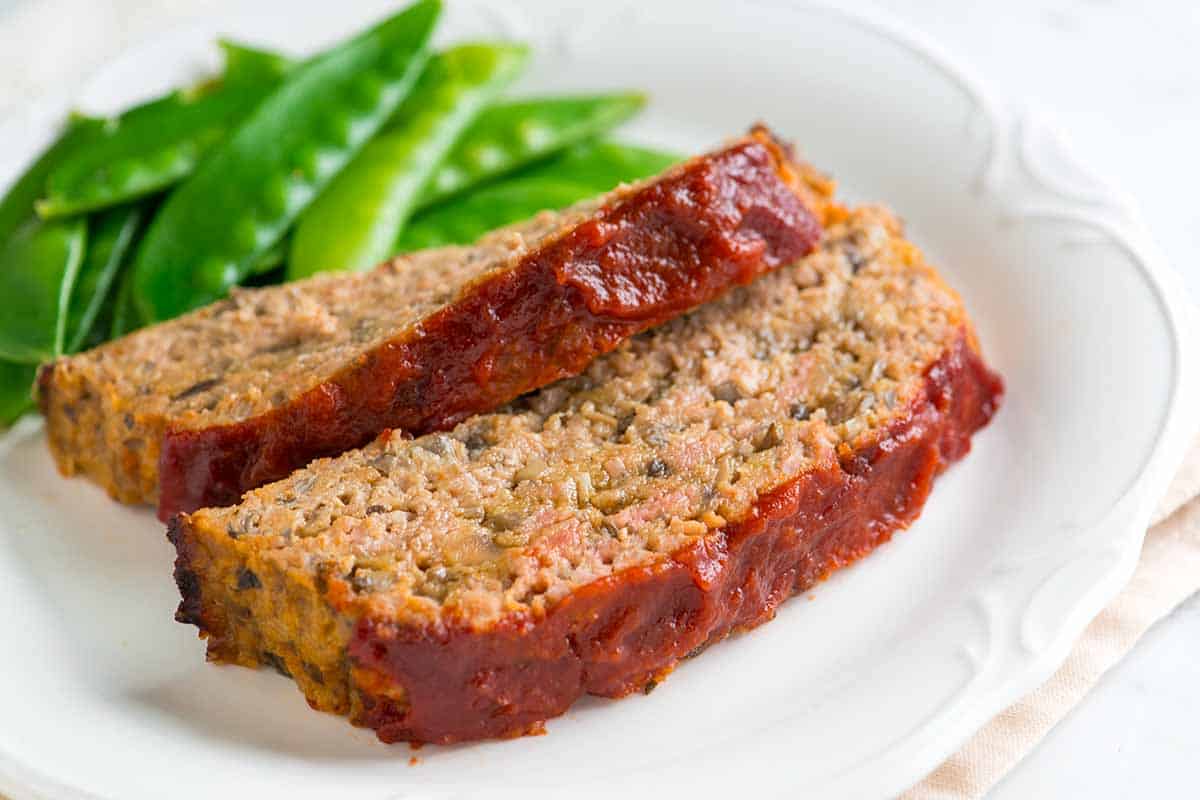
Say Goodbye to Bland: Secrets for Juicy Turkey Meatloaf
For too long, ground turkey has unfairly carried the reputation of being a little... well, bland. Many home cooks approach a meatloaf made with turkey with a sigh, resigned to a dry, flavorless meal. But what if we told you that your turkey meatloaf doesn't have to be a culinary compromise? It can be a vibrant, moist, and utterly delicious centerpiece for your weeknight dinner table, easily standing shoulder-to-shoulder with (or even surpassing!) its beefier counterpart. Prepare to revolutionize your perception of this versatile poultry.
This comprehensive guide will unlock the secrets to creating a truly juicy and flavorful turkey meatloaf, transforming a potentially dull dish into a family favorite. We’ll delve into the crucial ingredients, clever techniques, and simple tips that ensure every slice is bursting with savory goodness, putting an end to dry, crumbly meatloaf once and for all.
The Myth of Bland Turkey Meatloaf: Busted!
The primary reason turkey meatloaf often falls short of expectations stems from turkey's inherently leaner profile compared to ground beef. Less fat typically means less natural moisture and, in some cases, a milder flavor that can be easily overwhelmed or simply disappear without proper enhancement. However, this leanness is also its strength, offering a healthier alternative without sacrificing satisfaction – provided you know how to compensate for it.
The key to busting the bland myth lies in a two-pronged approach: maximizing moisture retention and layering intense flavors. Forget dry, crumbly textures and forget single-note tastes. By strategically incorporating specific ingredients and employing smart cooking methods, we can infuse the meatloaf with incredible juiciness and a depth of flavor that will make it anything but boring. It's about understanding the unique characteristics of ground turkey and working with them, not against them.
Mastering Moisture: Secrets to a Tender Turkey Meatloaf
Achieving a moist turkey meatloaf is paramount. Lean meat needs a little help, and these strategies are your secret weapons:
- Choosing the Right Ground Turkey: While a lower fat content is often desirable for health reasons, opting for 99% fat-free ground turkey can make your meatloaf challenging to keep moist and flavorful. Aim for ground turkey with a slightly higher fat ratio, such as 93/7 or even 90/10. The extra fat will render during cooking, contributing significantly to both moisture and taste. It's a small compromise for a vastly improved eating experience. If you're strict about fat content, you'll need to double down on the other moisture-boosting techniques.
- The Power of Soaked Breadcrumbs: This is a game-changer! Breadcrumbs, whether panko or Italian, are essential binders, helping the meatloaf hold its shape. But when soaked in liquid, they become moisture reservoirs. Instead of adding dry breadcrumbs directly to your meat mixture, combine them with milk or chicken broth first. As the meatloaf cooks, these hydrated breadcrumbs slowly release their liquid, basting the lean turkey from within and preventing it from drying out. A little liquid helps the breadcrumbs do their job twice as effectively, absorbing those precious meaty juices and keeping them locked inside.
- Don't Forget the Binder (Eggs): Eggs are indispensable in meatloaf recipes. Like in meatballs or hamburgers, one or two large eggs act as a crucial binder, helping all the ingredients coalesce and preventing the meatloaf from crumbling apart when sliced. Beyond their structural role, eggs also add a subtle richness and help to emulsify the mixture, contributing to a smoother texture.
- The Role of Aromatics (Pre-Cooked): While we'll discuss aromatics more in the flavor section, pre-cooking them (sautéing onions and garlic) before adding them to the meat mixture serves a dual purpose. It softens them, allowing their flavors to meld more effectively, and also introduces a small amount of moisture and fat (from the olive oil used for sautéing) into the mix, which helps keep the meatloaf moist.
Unleashing Unforgettable Flavor: Beyond the Basics
Once moisture is secured, it's time to infuse your turkey meatloaf with an explosion of flavor. This is where you elevate it from merely "not bland" to truly "unforgettable."
- Aromatic Foundation: Start strong with a robust base of aromatics. Finely chopped or grated onion and minced garlic are non-negotiables. But don't stop there! Fresh herbs like rosemary, thyme, and sage elevate the dish significantly. Sage, in particular, offers a fantastic, earthy depth that pairs beautifully with turkey, especially around the holidays. If fresh herbs aren't available, dried herbs can be used, but remember to adjust the quantity – typically, you'll use about one-third the amount of dried herbs compared to fresh, as dried are more potent. Sautéing these aromatics in a little olive oil until softened before adding them to the meat mixture not only enhances their flavor but also adds a layer of depth that uncooked aromatics can't quite achieve.
- The Umami Boost: Worcestershire Sauce: If you're unfamiliar with this magical ingredient, get ready for a revelation. Worcestershire sauce is a flavor powerhouse, thanks to its unique blend of ingredients, including fermented anchovies, vinegar, and spices. Its pungent, savory, and slightly sweet profile adds an incredible depth of umami to lean ground turkey that is otherwise hard to replicate. It acts as a secret weapon, transforming a simple meatloaf into something truly special. For those avoiding fish, vegan Worcestershire sauces are widely available and work just as effectively.
- The Zesty Glaze: A meatloaf isn't complete without its signature glaze. A simple yet incredibly effective topping made from ketchup and a touch of brown sugar offers a beautiful balance of sweet and tangy flavors. As it bakes, this glaze caramelizes, forming a slightly sticky, flavorful crust that seals in moisture and adds another layer of deliciousness to every bite. For an extra kick, consider adding a dash of Dijon mustard to the glaze, as many chefs and home cooks recommend for a more complex finish.
- Other Flavor Enhancers: Don't overlook other subtle additions. A tablespoon of tomato paste can add concentrated tomato flavor and richness. A pinch of red pepper flakes can introduce a gentle heat, while a dash of smoked paprika can impart a smoky depth. Experiment with what appeals to your palate!
Crafting Your Perfect Turkey Meatloaf: Step-by-Step Success
With your ingredients ready, the assembly is straightforward, but a few tips ensure success:
- Prep Your Aromatics: Begin by finely chopping your onion and mincing your garlic. If using fresh herbs, chop them finely. Sauté the onion and garlic in a little olive oil until softened and fragrant. Let them cool slightly.
- Hydrate Your Breadcrumbs: In a large bowl, combine your panko or Italian breadcrumbs with milk or chicken broth. Let them sit for a few minutes to fully absorb the liquid.
- Combine Ingredients Gently: Add the ground turkey, cooled aromatics, eggs, Worcestershire sauce, and any other seasonings (salt, pepper, herbs, tomato paste) to the bowl with the soaked breadcrumbs. The key here is to mix gently but thoroughly. Overmixing can compact the meat, leading to a tough, dense meatloaf. Use your hands to combine until just blended, ensuring all ingredients are evenly distributed.
- Shape and Bake: Lightly grease a large baking dish or a loaf pan with cooking spray. For a more rustic look and slightly crispier edges, shape the mixture into a free-form loaf directly on a baking sheet. If using a loaf pan, gently press the mixture in.
- Glaze and Finish: Bake your meatloaf at the recommended temperature (typically around 350-375°F or 175-190°C). About two-thirds of the way through the cooking time, spread your prepared ketchup and brown sugar glaze evenly over the top. Continue baking until the internal temperature reaches 165°F (74°C). This usually takes about 60-75 minutes, depending on the size and shape of your loaf.
- Rest Before Slicing: This step is crucial for moisture! Once cooked, remove the meatloaf from the oven and let it rest for at least 10-15 minutes before slicing. This allows the juices to redistribute throughout the loaf, ensuring every slice is incredibly moist and tender.
Conclusion
Gone are the days when turkey meatloaf was synonymous with dry and bland. By understanding the nuances of lean ground turkey and employing smart strategies for moisture and flavor, you can transform this humble dish into a culinary triumph. From choosing the right fat ratio and hydrating your breadcrumbs to layering robust aromatics and that essential umami kick from Worcestershire sauce, every step contributes to a truly delicious outcome.
So, the next time you're planning a weeknight dinner or looking for a healthier yet equally satisfying alternative to traditional meatloaf, embrace the power of a well-made turkey meatloaf. Prepare to be amazed as you say goodbye to bland and hello to a juicy, flavorful masterpiece that will earn its permanent place in your recipe rotation.
